
How EAT works
A school-based model for rescuing food.
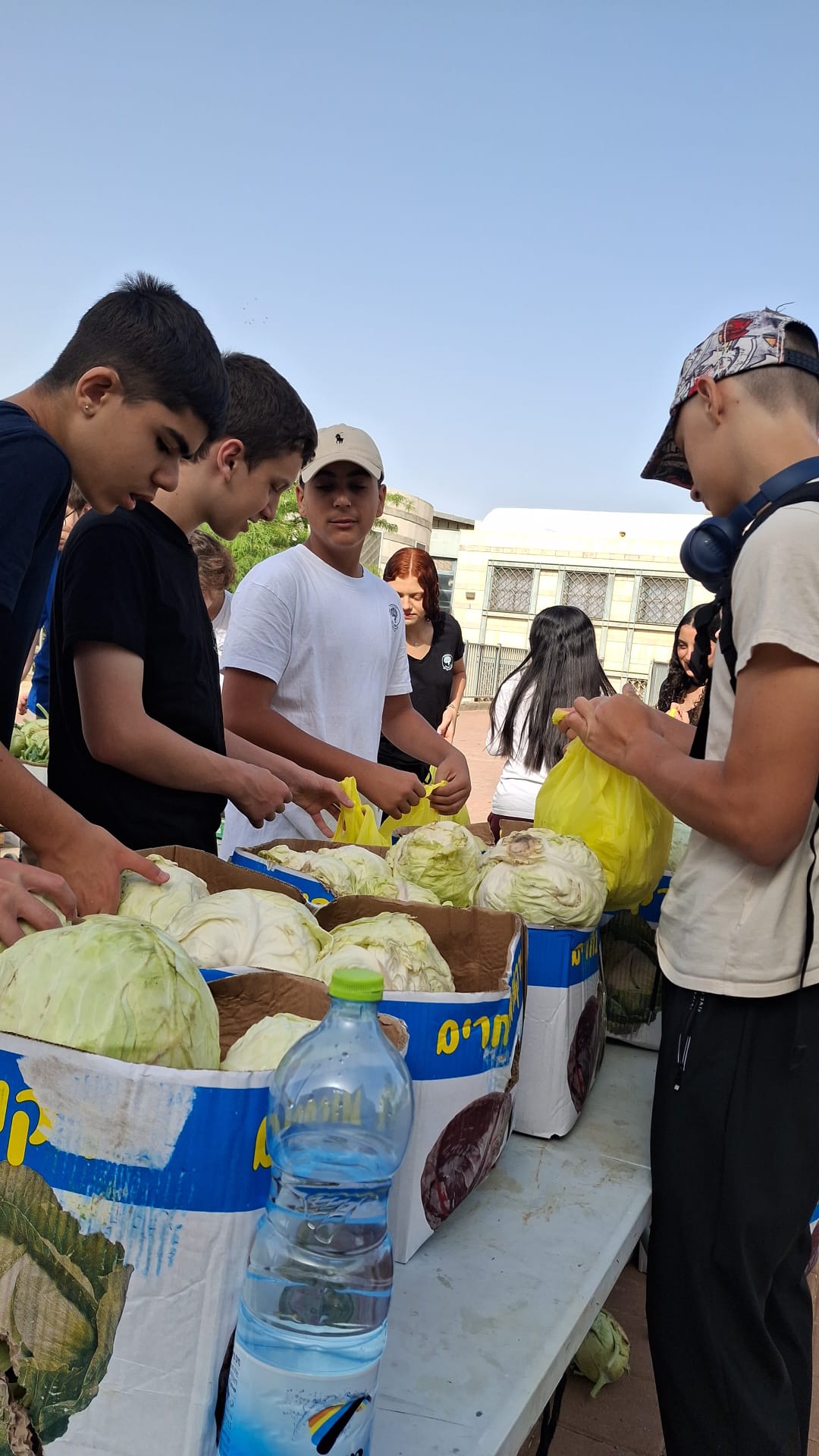
EAT brings rescued fresh produce into schools, where students take part in sorting and packing it, as part of an educational and community experience. The program team coordinates logistics so that schools can focus on learning and participation.
01—05
The journey of rescued produce
- 01
Agricultural surplus
Fresh fruit and vegetables that would otherwise go to waste.
- 02
School delivery
Produce is delivered to participating schools.
- 03
Student sorting
Students check and sort what is suitable to distribute.
- 04
Packaging
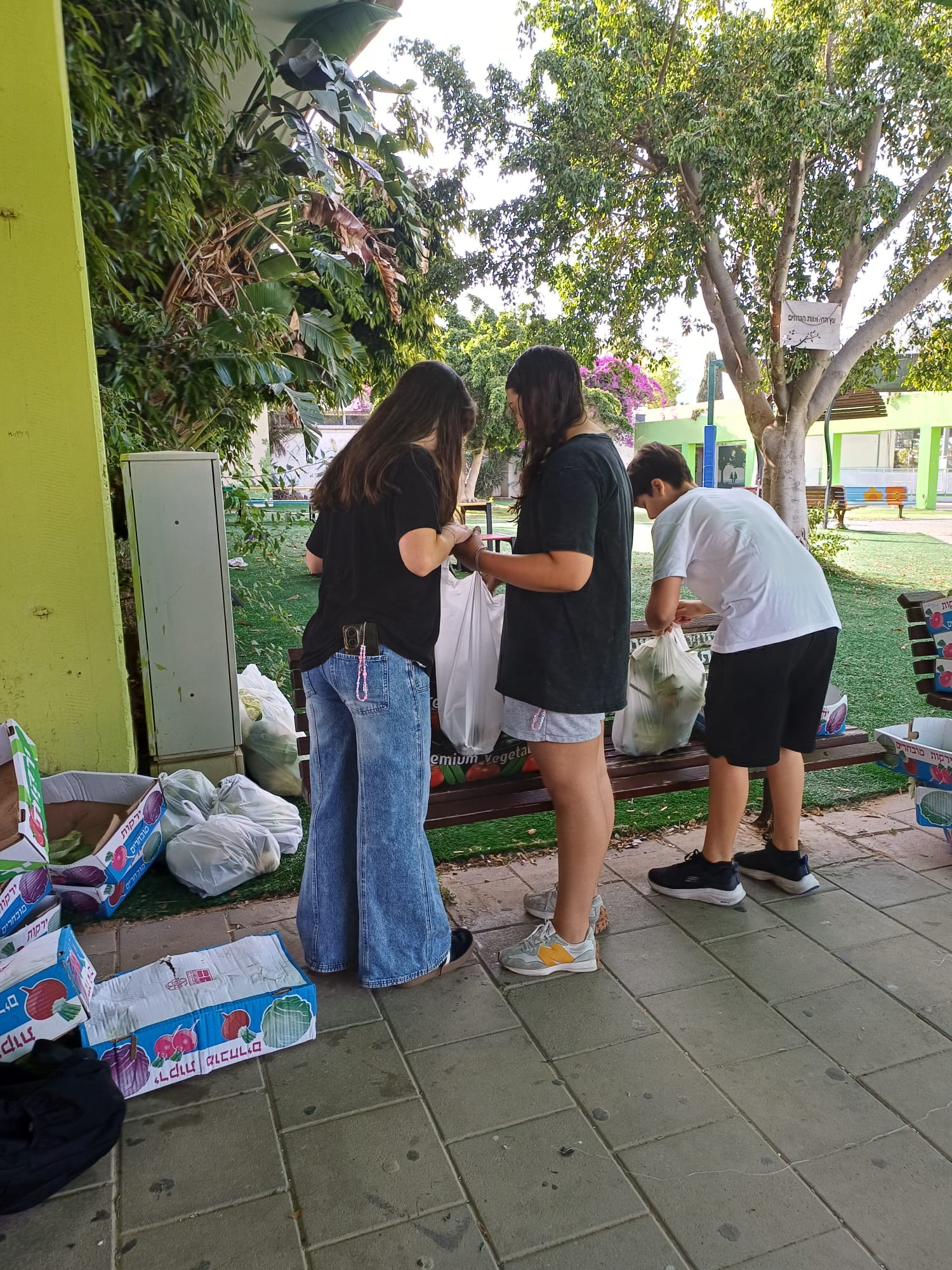
Students pack produce into packages for families.
- 05
Community distribution
Students and staff bring the food straight to people who need it.
How It Works
Who makes it work
- 01
Agricultural suppliers
Provide surplus fresh produce that is still good to eat.
- 02
Participating schools
Host food rescue activities and integrate them into school life.
- 03
Students and educators
Sort and pack produce together, and learn through the experience.
- 04
Students and school staff
Take the packed produce directly to people and families in the community.
- 05
EAT program coordination
Coordinates deliveries, logistics, activities and educational content.
Learning through action
Real activity, guided learning
Students take part in genuine food rescue activities, guided by educators and supported by the EAT team. They don't manage logistics or deliveries on their own; they experience how a real solution works and contribute to it.